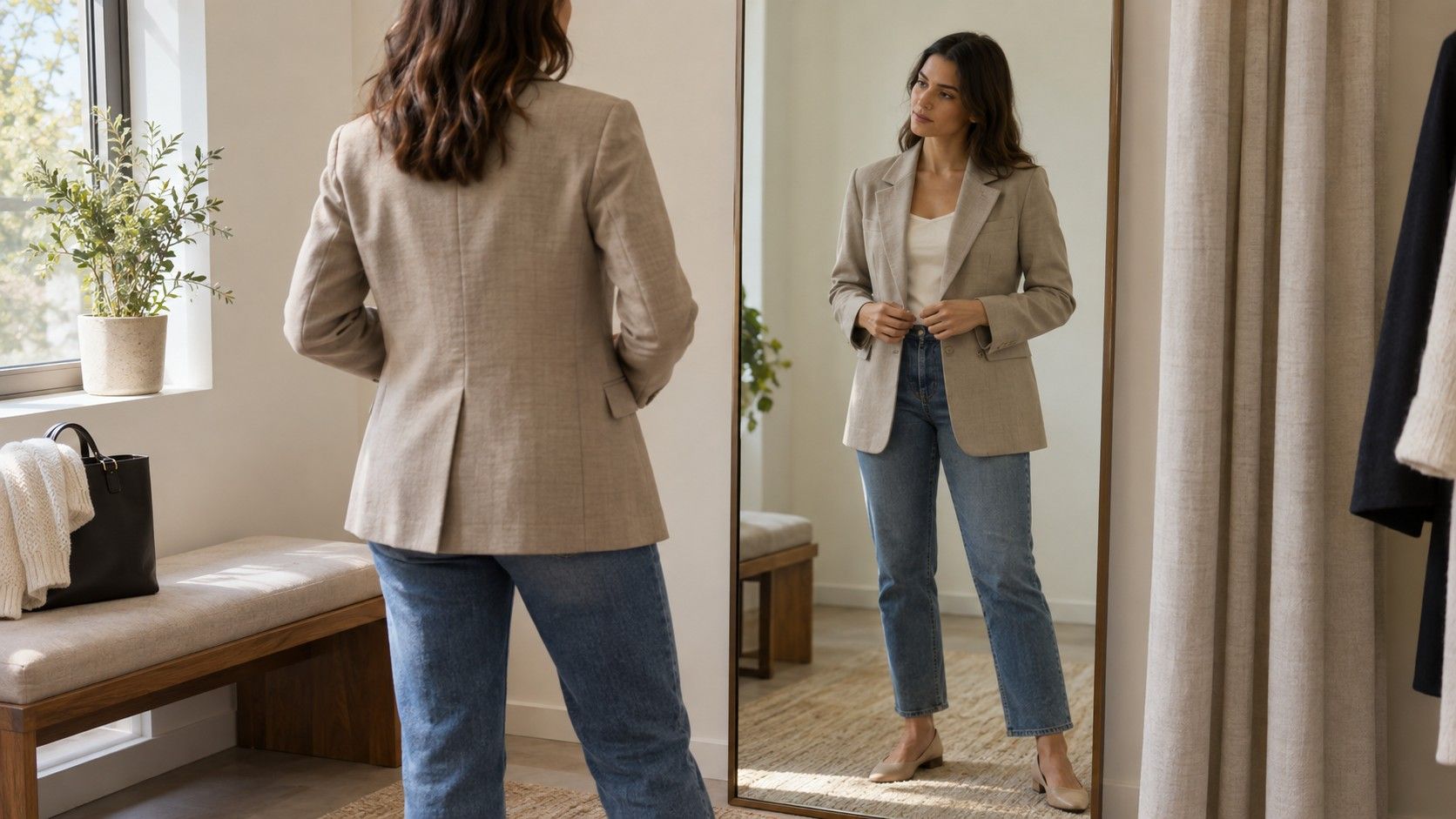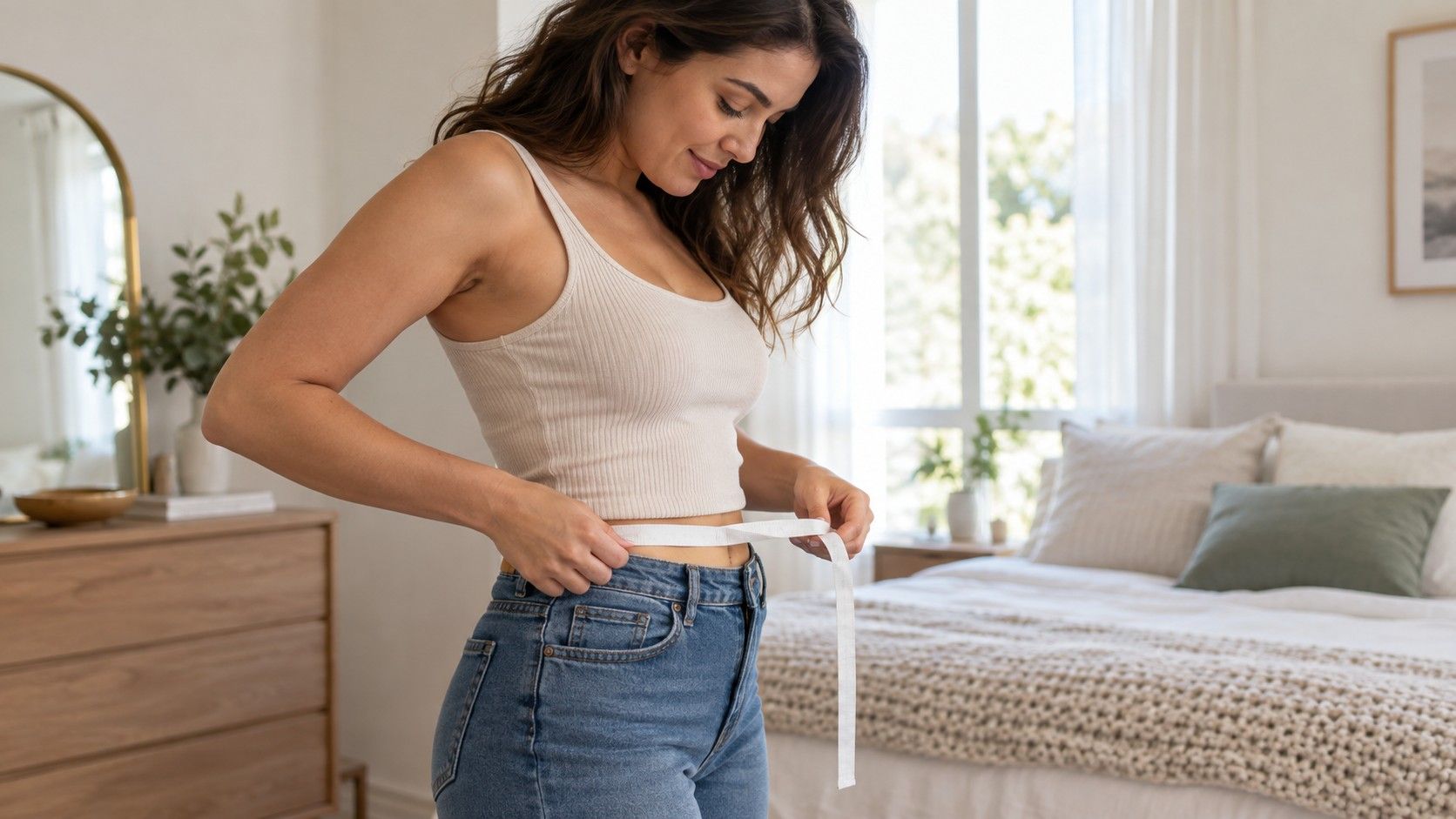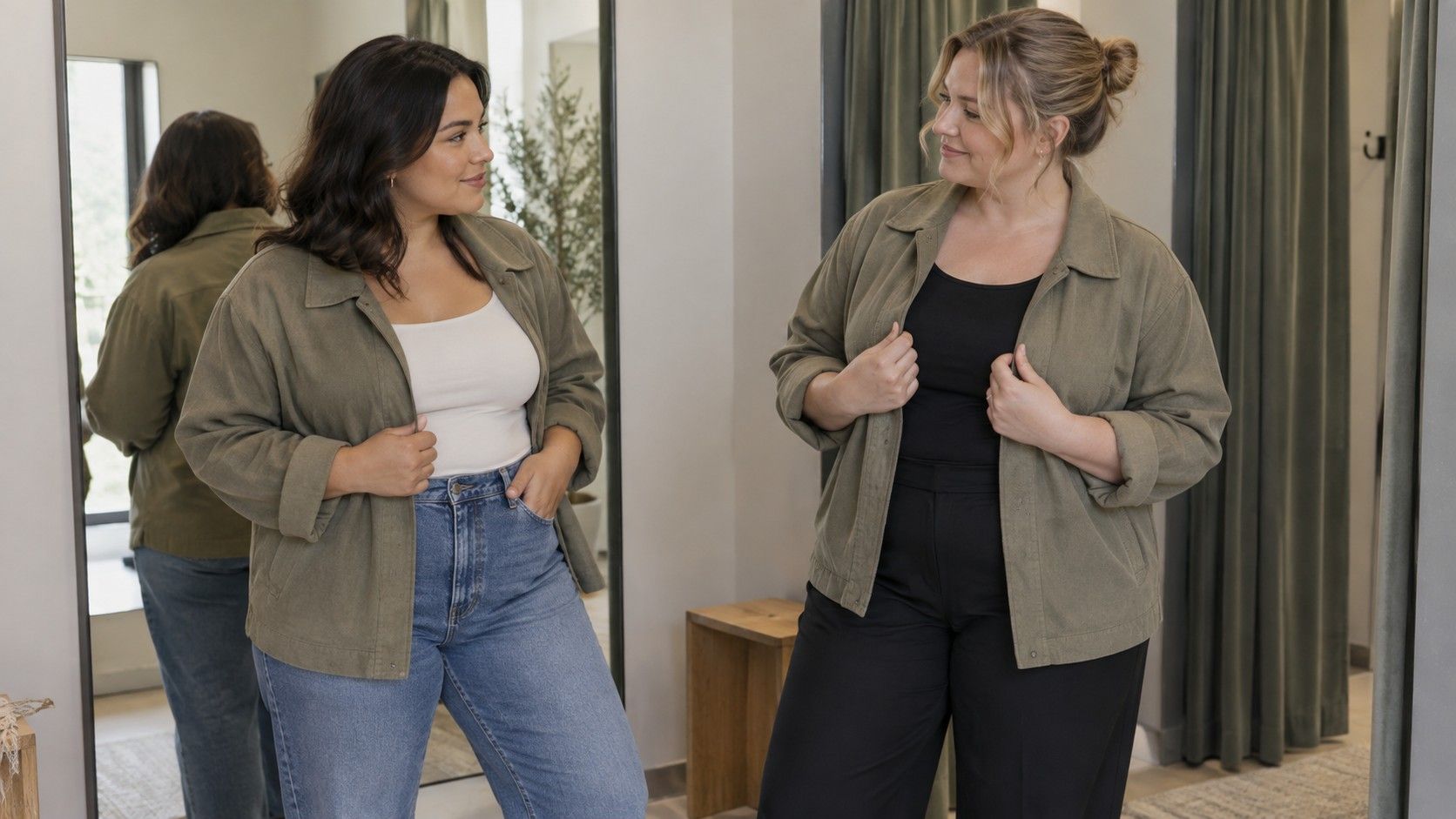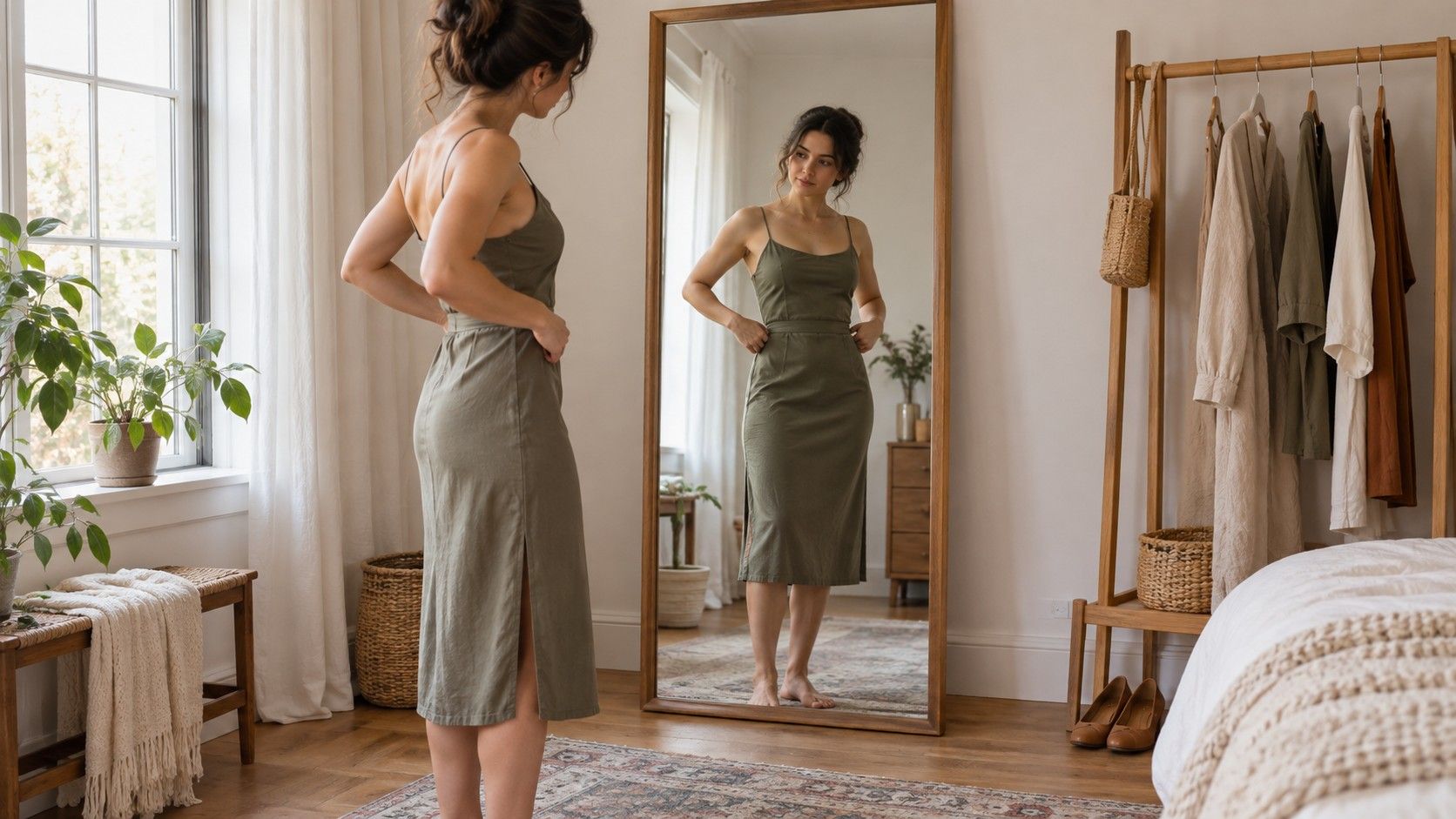
A body shape quiz is most useful when it helps you notice proportion and fit, not when it rushes you toward a label. The good questions are surprisingly ordinary: where a jacket pulls, whether a waistband gaps, and which part of a dress determines the size you buy. Answering those questions with a few consistent measurements gives you a practical picture of your shoulders, waist, and hips, even when your result does not fit one familiar shape perfectly.
What a body shape quiz can and cannot tell you
A quiz can organize observations that are easy to miss when you look at your whole reflection. It may show that your shoulders and hips are close in width, that your waist has a stronger or softer indentation, or that one area regularly controls garment size. Those are useful clues because patterns and size charts are built around relationships between measurements. A shirt that fits the bust but strains across the upper back points to a different fit issue than a shirt that hangs well at the shoulders and pools at the waist.
What a quiz cannot do is describe every feature of a three-dimensional body with one word. Two people can share the same bust, waist, and hip numbers while having different shoulder slopes, torso lengths, posture, or muscle distribution. They may receive the same result and need quite different jackets. A body type quiz also cannot account for how a fabric behaves. Crisp poplin holds its own line; soft jersey follows the body; thick rib knit can add visual weight even when its measurements are identical to a finer knit.
Treat the result as a starting hypothesis. If the label says one thing but your most reliable clothes tell you another, inspect the clothes. A repeated fit pattern across three pairs of trousers is better evidence than a single mirror impression. The point is not to prove that you belong in a category. It is to identify where you usually need room, where you prefer definition, and which alterations would solve a recurring problem.
Questions to answer before using a quiz
Start with recent clothes rather than an abstract judgment about whether a body part looks wide or narrow. Which measurement decides the size of a fitted dress: shoulders, bust, waist, or hips? When a blazer is comfortable through the torso, does the shoulder seam sit at the edge of the shoulder or beyond it? Do straight-cut trousers fit the hips but leave space at the back waistband? These questions turn vague visual language into evidence you can check.
Then separate bone structure from temporary styling effects. A padded bra, shapewear, a thick sweater, or trousers with bulky pockets can change the outline you see. Stand in close-fitting, unpadded clothing and look straight ahead rather than twisting toward the mirror. If you are using a photo, place the camera around waist height and several feet away. A phone held close to the upper body can exaggerate the shoulders, while a low angle can make the hips and legs appear broader.
The order of questions matters. Establish shoulder and hip balance first, then consider the waist, and only after that note bust prominence, torso length, or fullness distribution. If the first question asks you to choose between words such as curvy, athletic, or straight, personal associations can steer every answer that follows. Measurements and familiar fit problems provide a steadier base.
| Quiz question | Useful evidence | Less reliable shortcut |
|---|---|---|
| Are shoulders and hips balanced? | Front-view outline, shoulder seam position, and repeated garment fit | One close phone photo |
| How defined is the waist? | Waist-to-hip difference and how shaped garments sit | Whether you feel slim that day |
| Which area sets your size? | Several dresses, jackets, or trousers you actually wear | One unusually cut item |
| Has the pattern stayed consistent? | Measurements taken twice under similar conditions | Comparing different brands' size labels |
How to use measurements without chasing precision
For self-measurement, consistency matters more than a perfect tenth of an inch. Use a flexible tape over light clothing or underwear. Keep it level and snug enough to touch without compressing the body. Measure the fullest part of the bust, the natural waist where the torso bends or narrows, and the fullest part of the hips and seat. Shoulder circumference is harder to take alone, so a straight shoulder-width measurement or a helper's circumference measurement may be more dependable.
Repeat each measurement once. If the two readings differ, reset the tape rather than averaging immediately. Check that it has not climbed at the back, dipped at the front, or caught on a waistband. Breathing normally also matters: pulling the stomach in can move a result across a quiz threshold without saying anything useful about everyday clothing fit. Record the date and method so that a later comparison uses the same landmarks.
A small difference should not carry too much authority. Soft tissue shifts, the tape angle changes, and bodies are not perfectly symmetrical. If your shoulders and hips differ by less than the width of two fingers on a front-view outline, it is reasonable to call them broadly balanced. If a calculator places you one percentage point from another category, keep both interpretations in view. The useful question is whether that small numerical difference creates a noticeable, repeated fit effect.
When someone asks, “what is my body shape quiz result?” the honest answer may include a margin rather than a single verdict. You might have balanced shoulders and hips with a moderately defined waist, or hip emphasis that becomes more obvious in close-fitting clothes. That description is often more useful than a name because it states the relationships a pattern, belt, sleeve, or trouser cut will respond to.
When your answers point to more than one shape
Mixed answers are normal. A person may have shoulders slightly broader than the hips and still have a strongly defined waist. Another may look balanced from the front but find that hip depth at the back controls trouser fit. Most quiz systems prioritize different traits: one gives more weight to circumference ratios, another relies on a front-view silhouette, and a third asks about weight distribution. Different results do not necessarily mean one quiz failed.
Look for the feature that stays stable across methods. If both measurements and jackets indicate upper-body emphasis, that pattern deserves attention even if your waist suggests a second category. If numbers suggest hip emphasis but skirts hang straight while trousers pull only at the seat, the issue may be depth rather than visible side width. A side-view check and the location of drag lines can explain what a simple front-view label misses.
It also helps to distinguish close calls from contradictions. Close calls occur when proportions sit near a category boundary; either label may lead to similar clothing suggestions. A contradiction is when the result bears no relation to the clothes you wear, perhaps because the tape was misplaced or the questions were interpreted differently. Retake only the relevant measurement and test the conclusion with two or three garments. Repeating the entire quiz until a preferred label appears adds noise rather than clarity.
If you are trying to find my body shape through online tools, write down a two-part result: the primary balance and the secondary fit feature. “Shoulders and hips broadly balanced; waist definition is the main variable” is precise enough to guide shopping. “Slight hip emphasis; short torso affects rise and waistband placement” is better still. Neither description asks you to ignore a feature merely because it does not fit the category title.
Turning a quiz result into a useful fit note
Convert the result into one small experiment before changing how you dress. If the quiz suggests shoulder emphasis, compare a top with a neat set-in sleeve against one with a dropped, stiff shoulder. Wear both with the same trousers and notice seam position, movement, and overall balance. If it suggests hip emphasis, compare a trouser with a clean front and enough seat room against one with small, pulling pockets. The goal is to discover which construction details matter, not to make one half of the body look smaller.
Your fit note can be three sentences. First, record the broad relationship: shoulders wider than, close to, or narrower than hips. Second, note waist definition and torso length. Third, list the recurring garment issue, such as gaping waistbands, tight upper sleeves, or dresses that fit one area and float away from another. Keep preferences alongside the facts. You may like an oversized shoulder or a straight waist even if conventional advice recommends the opposite.
Use that note in a fitting room. Check the garment at the area that usually sets your size, then assess whether an alteration could improve the rest. Taking in a waistband is often more realistic than trying to create extra room through a tight hip. Shortening a sleeve is simpler than rebuilding a shoulder. A quiz result becomes valuable when it helps you reject a poor cut quickly, identify an easy alteration, or choose between two sizes with a clear reason.
Revisit the quiz only when its practical note stops matching your clothes. Bodies, posture, and preferences change, and brands revise their blocks. You do not need a permanent label to dress consistently. You need a repeatable way to observe proportions, enough skepticism to question a neat category, and a short record of the fit details that make clothes comfortable and intentional on your body.